Thin Air and Goal Lines: How Elevation Shapes Scoring Forecasts in Andean Matches
Carlo Jung · Aug 21, 2026
Thin Air and Goal Lines: How Elevation Shapes Scoring Forecasts in Andean Matches
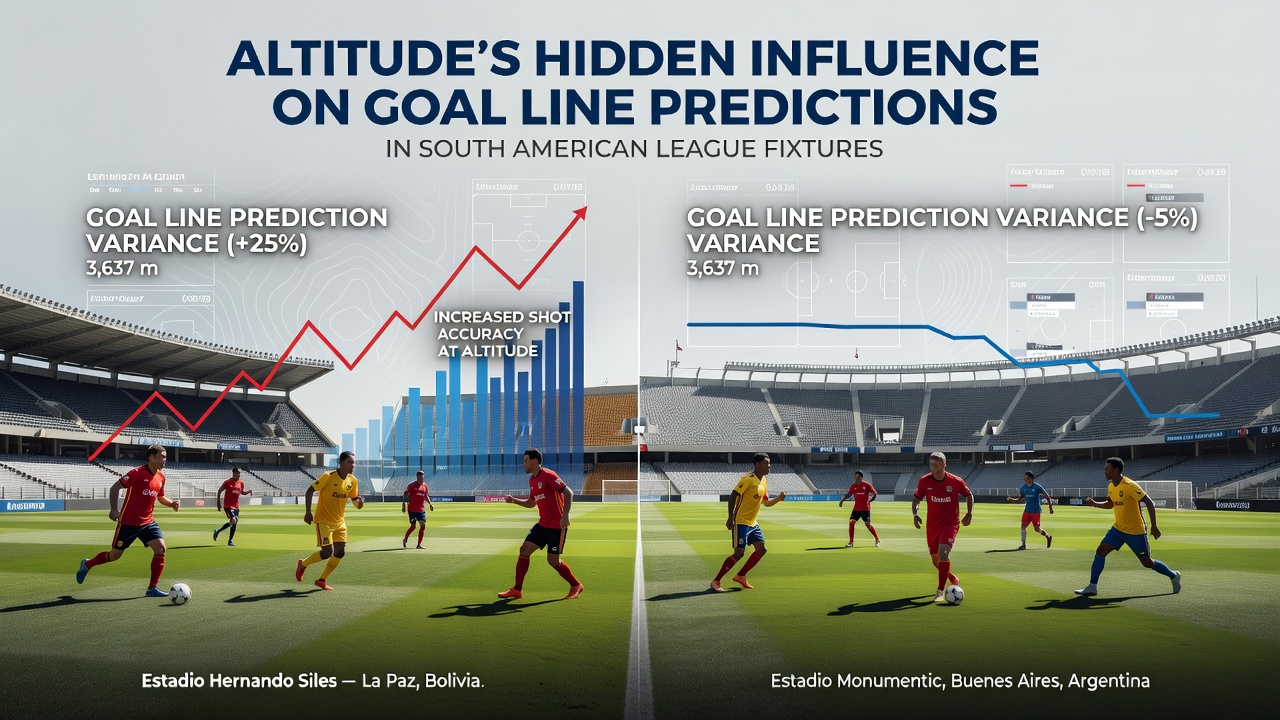
High-altitude venues across Bolivia, Peru, and Ecuador create distinct conditions that alter player physiology and team output in ways that directly influence goal line expectations, and observers who track South American fixtures have documented these patterns through performance data collected over multiple seasons. Matches played above 2,500 meters often feature reduced oxygen availability, which leads to quicker fatigue for visiting squads unaccustomed to the environment while home teams demonstrate better adaptation through regular exposure.
Physiological Factors at Play
Researchers studying match statistics note that heart rates rise faster and recovery periods between sprints lengthen when oxygen levels drop, which produces fewer sustained attacking sequences in the second half compared with sea-level games. Data from Bolivian Primera División fixtures at venues like Estadio Hernando Siles in La Paz, sitting near 3,600 meters, shows average total goals per match hovering around 2.4 during the 2025 campaign, a figure that sits below the league-wide mean of 2.8 recorded at lower elevations. Visiting players exhibit measurable declines in distance covered after the 60-minute mark, according to GPS tracking reports compiled by club analysts, while home sides maintain higher work rates through the final stages.
League-Specific Patterns and Adjustments
League tables and historical results reveal that teams based at altitude secure a higher percentage of clean sheets when hosting opponents from coastal regions, yet the same sides concede more frequently when traveling downward. Peruvian clubs such as Universitario and Sporting Cristal, whose home grounds sit closer to sea level, face different dynamics when facing Bolivian opposition in Copa Libertadores ties, where goal line markets frequently settle under the posted totals. In August 2026, the opening rounds of the Bolivian league schedule again highlighted these trends, with four of six high-altitude fixtures finishing with two goals or fewer, continuing a multi-year sequence documented in official match logs.
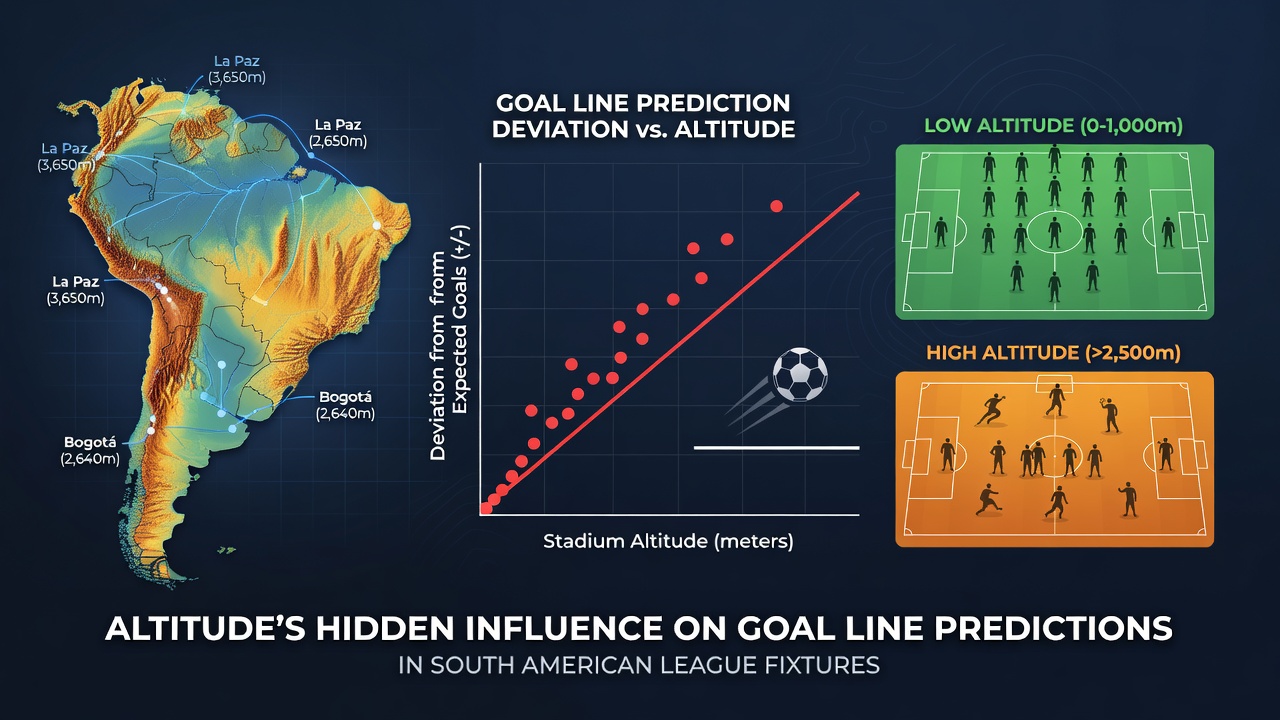
Coaches adjust training regimens weeks in advance for away trips to these venues, incorporating altitude simulation tents and modified tactical plans that prioritize shorter passing sequences over high-pressing systems, and these preparations appear in reduced goal tallies once competition begins. Statistical models used by performance departments incorporate elevation as a weighted variable alongside recent form and head-to-head records, producing revised projections that deviate from standard sea-level baselines.
Data Sources and Modeling Approaches
Analysts drawing from CONMEBOL competition archives have incorporated elevation coefficients into regression frameworks that forecast total goals with greater accuracy than unadjusted models, particularly for fixtures involving cross-regional travel. A study conducted by sports scientists at the Universidad de Buenos Aires examined physiological responses across multiple Andean venues and identified a consistent 12-15 percent drop in high-intensity efforts by non-acclimatized athletes, which correlates with lower expected goal outputs in the latter stages of matches. Those findings align with observations from Ecuadorian Serie A games played in Quito at 2,850 meters, where average match totals have remained suppressed relative to lowland fixtures over the past five seasons.
Betting markets reflect these established patterns through adjusted lines that open lower for high-altitude home games, yet sharp bettors continue to monitor line movement and team news for instances where public perception lags behind the underlying data. External factors such as weather, pitch conditions, and referee tendencies interact with altitude effects, requiring layered analysis that accounts for multiple variables simultaneously rather than isolating elevation alone.
Practical Implications for Forecasting
Forecasting models that integrate real-time acclimatization data and historical goal distributions at specific venues deliver more reliable projections than generic league averages, especially when one side travels from significantly different elevations. South American federations publish detailed match reports that include player workload metrics, enabling ongoing refinement of predictive tools used by analysts across the region. The interplay between altitude and goal line outcomes remains a measurable component of fixture evaluation, supported by consistent empirical evidence gathered from league and continental competitions alike.
Conclusion
Altitude continues to exert a measurable influence on goal expectations in South American league fixtures through documented physiological and tactical mechanisms, and data accumulated across multiple seasons supports the incorporation of elevation variables into forecasting frameworks. Observers who integrate venue-specific statistics with player adaptation metrics achieve more precise projections that align with observed match results in highland environments.